
The psychology behind why we gamble Understanding the mental triggers
The Thrill of Uncertainty
The allure of gambling often stems from the excitement that comes with uncertainty. When players place a bet, they experience a rush that activates their reward systems, triggering the release of dopamine—a neurotransmitter associated with pleasure and motivation. This instant gratification can create a cycle where individuals continually seek out the high of winning, even if the odds are not in their favor. If you’re interested in exploring more about this phenomenon, visit https://www.rdcr.in/, where you can find in-depth insights.
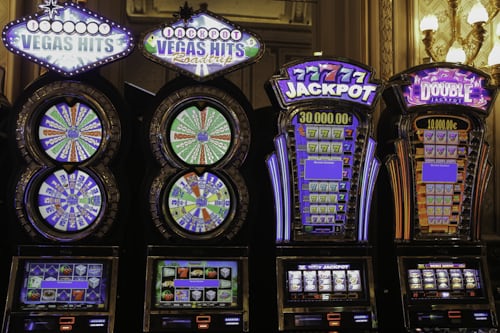
Furthermore, the unpredictability of outcomes serves as a mental trigger that keeps players engaged. Whether it’s the spin of a roulette wheel or the flip of a card, the suspense builds anticipation. This uncertainty can be a powerful motivator, making the gambling experience both thrilling and addictive for many individuals.
The Illusion of Control
Many gamblers develop a belief in their ability to control outcomes, which is often referred to as the illusion of control. This mindset can lead players to believe that their skills or strategies can influence the outcome of a game, particularly in games of skill like poker. This false sense of empowerment can enhance their enjoyment and encourage them to gamble more frequently.
Moreover, this cognitive bias can become a significant mental trigger. Players may convince themselves that they can beat the odds, leading to increased stakes and prolonged gambling sessions. Understanding this psychological phenomenon can help individuals recognize the potential dangers of gambling and the importance of maintaining a realistic perspective on the odds.
The Role of Social Influences
Social factors play a crucial role in the psychology of gambling. Many people are influenced by friends or family members who gamble, and this social reinforcement can serve as a mental trigger. Engaging in gambling activities within a social setting, such as casinos or online gaming platforms, fosters a sense of camaraderie and shared excitement.
Additionally, the rise of online gambling has made it easier for players to connect with others. Online communities and forums provide support and shared experiences, which can further encourage gambling behaviors. While social influences can enhance enjoyment, they can also make it more challenging to recognize when gambling becomes problematic.
Emotional Escapism
For some, gambling serves as a form of emotional escapism. It offers a way to cope with stress, anxiety, or feelings of inadequacy. The thrill of winning can provide a temporary boost in mood, while the distraction of gambling can help individuals avoid confronting their problems. This psychological mechanism can be particularly potent for those facing difficult life circumstances.
Recognizing this emotional trigger is essential for understanding why some individuals may gamble more than others. By using gambling as an escape, they may inadvertently put themselves at risk for developing unhealthy habits. It’s crucial to address these underlying emotional issues rather than relying on gambling as a solution.

Exploring Online Gambling Dynamics
Online gambling has transformed how people engage with games of chance. The convenience of placing bets from home, coupled with enticing promotions and bonuses, has made it increasingly popular. Understanding the psychology behind online gambling reveals various mental triggers, such as the ability to play at any time and the constant availability of new games.
This digital landscape also capitalizes on players’ emotions and cognitive biases, often using bright graphics and sounds to enhance engagement. The immediate feedback provided through online platforms can heighten excitement, encouraging players to continue gambling. As this trend grows, it is essential for users to be aware of these psychological factors and manage their gambling habits responsibly.