
The Thrill of Winning: Psychological Rewards
The excitement of winning at a casino is rooted deeply in human psychology, tapping into the brain’s reward system. When players experience a win, their brains release dopamine, a neurotransmitter associated with pleasure and reinforcement. This chemical reaction not only enhances the feeling of joy in the moment but also reinforces the behavior, making players more likely to return for another chance at no kyc casinos victory.

Moreover, the thrill of winning can create a cognitive bias known as the “illusion of control.” This phenomenon occurs when players believe they can influence the outcome of games based on their decisions, despite the randomness inherent in most casino games. This false sense of agency can lead to increased gambling, as players develop a strong desire to chase wins and replicate their success.
The Impact of Losses: Emotional Responses
On the flip side, losses at the casino can trigger a range of emotional responses that are equally fascinating. Many players experience feelings of frustration, sadness, or even anger after a loss. These emotions stem from the natural desire to win and the disappointment that arises when expectations are not met. This reaction can lead to a cycle of chasing losses, where players feel compelled to continue gambling in hopes of recovering their previous losses.
Additionally, the concept of loss aversion plays a critical role here. Research indicates that the pain of losing is psychologically more significant than the joy of winning. As a result, players may engage in riskier behavior, such as betting larger amounts, in an attempt to regain control and recover their losses. This can create a perilous cycle that traps players in a cycle of gambling.
The Role of Cognitive Biases in Gambling Behavior
Cognitive biases profoundly influence gambling behavior, contributing to both wins and losses. One common bias is the “gambler’s fallacy,” which leads individuals to believe that past events can influence future outcomes. For instance, a player might think that if a roulette wheel has landed on red several times in a row, black is “due” to appear. This flawed reasoning can result in decisions that are not based on probabilities but on misconceptions.
Another significant bias at play is the “hot-hand fallacy,” where players believe that their recent successes will continue. This leads to overconfidence and can encourage players to increase their wagers, often resulting in devastating losses. Understanding these cognitive biases can help players recognize their irrational thoughts and potentially mitigate risky gambling behaviors.
Social Influences and Gambling Behavior
The social environment in which gambling occurs significantly affects players’ experiences and outcomes. Many people associate casinos with socialization and excitement, drawing them to these environments for the camaraderie as much as for the gaming itself. The presence of peers can amplify emotions tied to wins or losses, making victories feel more exhilarating and losses more frustrating.
Moreover, social validation plays a crucial role in gambling. Players often seek affirmation from friends or fellow gamblers, which can bolster their confidence and influence their betting strategies. This social aspect can contribute to both positive and negative gambling behavior, as individuals may push boundaries inspired by group dynamics or peer pressure.
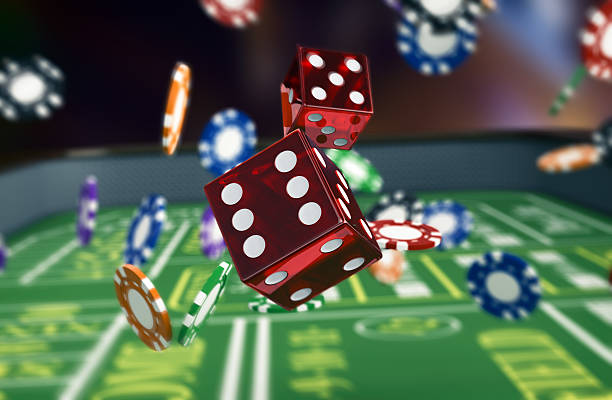
Discovering the Future of Gambling at No KYC Crypto Casinos
As the online gambling landscape evolves, platforms like no KYC crypto casinos are redefining player experiences. These casinos allow users to engage in gaming without the usual burdens of identity verification, making it easier for players to explore their favorite games. This seamless access can amplify the thrill of winning while also raising questions about the psychology behind gambling behavior.
Understanding the psychological factors at play within these innovative platforms is crucial for both players and operators. By recognizing the motivations and emotional responses tied to gambling, users can make informed decisions and enjoy gaming responsibly, while casinos can create environments that promote healthy gambling habits. Embracing this knowledge fosters a more positive gaming experience for everyone involved.